
Sofa Covers: Everything You Need to Know
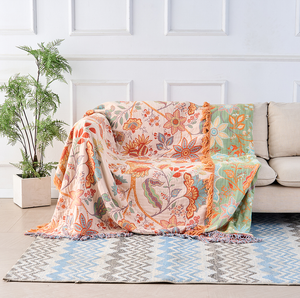
Sofa covers offer a simple way to protect your furniture, refresh your living room, and extend the life of a couch without replacing it. Available in a wide variety of materials, colours, and designs, modern sofa covers can become part of your décor rather than looking like a temporary protective layer.
Whether you need a couch cover for pets, children, everyday spills, or a quick style update, choosing the right size and material can make a significant difference. Below, we answer some of the most common questions about measuring, fitting, cleaning, and buying sofa covers.
Are sofa covers worth it?
Sofa covers can be worth buying if you want to protect your couch, update its appearance, or make everyday cleaning easier.
A good sofa cover creates a removable barrier between your furniture and common sources of wear, including:
- Pet hair and muddy paws
- Food and drink spills
- Dust and dirt
- Scratches and light everyday damage
- General wear on frequently used seats
They can be particularly useful in homes with children or pets, where the sofa may need to be cleaned more often. Instead of cleaning the entire couch after every small accident, you can remove and wash the cover according to its care instructions.
Sofa covers can also help refresh furniture that is still comfortable and structurally sound but looks dated, faded, or slightly worn. Changing the colour or texture of the cover may alter the look of the whole room at a much lower cost than purchasing a new sofa.
However, the result depends on choosing a suitable cover. Consider the dimensions of your sofa, the type of fit you prefer, and whether you need features such as a non-slip backing, stretch fabric, or machine-washable material.
How to measure for sofa covers?
To measure for a sofa cover, begin by identifying the type and shape of your couch. A standard sofa, sectional, recliner, and armchair will require different measurements and may use different styles of cover.
For a standard sofa, measure:
- The total width: Measure from the outer edge of one arm to the outer edge of the other.
- The seat width: Measure the usable seating area between the arms.
- The seat depth: Measure from the front edge of the seat to the base of the backrest.
- The back height: Measure from the top of the sofa to the point where the backrest meets the seat.
- The arm width and height: Record the dimensions of each arm if the cover is designed to fit around them.
- The overall depth: Measure from the frontmost point of the sofa to the back.
Always check the individual product’s size guide before ordering. Sofa covers can differ in shape and coverage, even when they are intended for couches with the same number of seats.
For sectional or modular sofas, measure each section separately. You may need more than one cover to achieve complete coverage. It is generally better to choose the closest suitable size according to the product guide rather than relying only on labels such as “two-seater” or “three-seater.”
How to keep sofa covers in place?
To keep a sofa cover in place, select the correct size and look for a design with non-slip features. Covers that are too small may pull away from the edges, while oversized covers can bunch up or move when someone sits down.
Depending on the design, the following methods can help secure a sofa cover:
- Use a cover with a non-slip backing.
- Tuck excess fabric firmly into the spaces around the seat cushions.
- Use foam inserts or rolled-up non-slip material in the cushion gaps.
- Secure fitted covers using their elastic edges, straps, or ties.
- Place a non-slip rug pad between the sofa and the cover.
- Readjust and smooth the cover after washing.
The surface of the sofa also matters. Covers tend to move more easily on smooth leather or polished synthetic upholstery than on textured fabric.
For homes with active pets or children, a heavier cover or one specifically designed with anti-slip backing may remain in position better than a lightweight decorative throw.
How to wash sofa cushion covers?
Before washing sofa cushion covers, check the care label. Washing instructions depend on the material, construction, and whether the covers contain coatings, backing, or decorative details.
If the covers are machine washable, the following general process may help protect their shape and texture:
- Remove loose pet hair, crumbs, and dust with a vacuum or soft brush.
- Treat visible stains using a product suitable for the fabric.
- Close any zips, buttons, or fastenings.
- Wash the covers separately or with similar materials.
- Select a gentle cycle and use cold or lukewarm water unless the care label states otherwise.
- Use a mild detergent and avoid excessive amounts.
- Allow the covers to air-dry where possible.
Avoid using bleach unless it is specifically permitted by the manufacturer. High temperatures and harsh drying cycles may cause some fabrics to shrink, fade, or lose their softness.
When washing several matching cushion covers, wash them together. This helps prevent one cover from fading differently from the others.
Do not automatically remove and wash the upholstery covers attached to your original sofa cushions. Some are not designed for domestic machine washing, even when they have zips. When in doubt, consult the sofa manufacturer’s cleaning instructions.
How much do sofa covers cost?
The cost of sofa covers varies according to their size, fabric, construction, and design. Simple throws and individual couch mats are generally less expensive than large fitted covers or heavyweight designs made from premium materials.
Other factors that can affect the price include:
- The number of seats covered
- Stretch or fitted construction
- Waterproof or water-resistant properties
- Non-slip backing
- Fabric weight and texture
- Decorative details, such as quilting, pleating or tassels
- Whether separate pieces are needed for a sectional sofa
A sofa cover should also be considered in relation to how it will be used. A lower-priced decorative throw may be suitable for occasional use, while a more substantial, machine-washable cover may offer better value for a frequently used family sofa.
Before comparing prices, check what is included. Some products are sold as a single cover, while sectional sofas and separate cushions may require multiple pieces.
Where to buy sofa covers?
You can buy sofa covers from homeware retailers, department stores, furniture shops, and specialist online stores. Shopping online often provides a wider selection of sizes, materials, colours, and cover styles, but it is important to review the measurements carefully before placing an order.
When choosing where to buy a sofa cover, look for:
- A detailed size guide
- Clear fabric and care information
- Photographs showing the cover on different sofa styles
- Customer reviews
- Delivery and return information
- Secure payment options
- A range of colours and designs
Casa & Beyond offers sofa and couch covers designed to combine everyday furniture protection with modern home styling. The collection includes options for different interiors and practical needs, including textured, plush, non-slip, and pet-friendly designs.
Alongside standard couch covers, you can also explore covers created for armchairs and recliner sofas.
Find the right sofa cover for your home
The right sofa cover can protect your furniture while giving your living room a comfortable and considered new look. Start by measuring your sofa carefully, then compare the available sizes, materials, and fitting methods.
For busy households, prioritise easy-care fabrics and secure, non-slip designs. For a decorative update, consider how the colour, pattern, and texture will complement your cushions, curtains, and other living-room furnishings.
Explore the Casa & Beyond sofa cover collection to find a practical design that suits your furniture, lifestyle, and interior style.


Explore Sofa Covers


