
The Ultimate Guide to Japandi Interior Design
Japandi interior design has become one of the most appealing styles in modern interiors, largely because it answers a problem many homes quietly have. Some spaces feel overcrowded and visually noisy. Others are pared back to the point of feeling cold. Japandi sits between those two extremes, combining simplicity with warmth in a way that feels calm, practical, and genuinely livable.
At first glance, it can look easy to recreate. Neutral tones, natural materials, low furniture, and very little clutter. Yet that is also where people tend to get it wrong. Japandi is not just minimalism with a few wooden accents. The rooms that really work feel balanced because every choice has been controlled, from the materials and palette through to how much is left out.
That balance is what gives the style its staying power. It feels current, but not trend-chasing. It looks refined, but still comfortable enough for everyday life. For homes that need more clarity without losing warmth, Japandi is one of the most useful aesthetics to work with.
What Is Japandi Interior Design?
Japandi interior design blends Japanese minimalism with Scandinavian comfort. The two styles come from different places, but they share enough values to work naturally together. Both prioritise simplicity, function, craftsmanship, and a stronger connection to natural materials than many other mainstream interior styles.
Japanese interiors tend to bring restraint. There is usually more emphasis on negative space, clean lines, darker grounding tones, and a quieter kind of beauty. Scandinavian interiors soften that through lighter woods, tactile textiles, and a more relaxed sense of comfort. When they are combined well, the result is a room that feels minimal but never severe, and warm without slipping into clutter.
One reason the style has resonated so strongly is that it feels like a more livable answer to minimalism. It keeps the calm, but loses the harshness. It keeps the simplicity, but adds enough texture and softness to make the room feel complete.

The Principles Behind Japandi Style
The easiest way to understand Japandi is to look beyond the objects and focus on the principles shaping the room. The strongest examples all follow the same underlying logic.
Simplicity, but not emptiness
Japandi spaces are edited carefully, without being stripped back for effect. There is a difference between restraint and absence. A good Japandi room still feels finished. It just avoids anything unnecessary, overly decorative, or visually loud.
Natural materials do most of the work
Rather than relying on colour contrast or bold statement pieces, Japandi interiors create interest through material. Wood grain, linen, ceramics, boucle, stone, woven textures, and matte finishes all help the room feel layered without becoming busy.
Function matters as much as appearance
Nothing should feel random. Furniture tends to be clean-lined and useful, décor is often practical as well as attractive, and the overall space is designed to feel easy to move through and live in.
Calm comes from consistency
This is one of the less obvious parts of the style, but it matters. Japandi rooms are usually successful because the tone is consistent. The palette, textures, and forms all support the same mood rather than pulling in different directions.
How Japanese and Scandinavian Design Work Together
Part of what makes Japandi so appealing is that the two sides of the style solve each other’s weaknesses. Scandinavian interiors can sometimes drift too pale or too casual, especially when every surface is light and soft. Japanese interiors, on the other hand, can become too restrained if they lose warmth.
Together, they create balance. The Japanese influence introduces stillness, order, and a stronger sense of form. The Scandinavian influence stops the room from feeling rigid by bringing in comfort, softness, and a lived-in quality.
The philosophy behind each style also explains why they combine so well. Japanese interiors are often linked to wabi-sabi, the appreciation of imperfection and simplicity. Scandinavian interiors are closely associated with hygge, a concept built around comfort and ease. Put together, they create a room that feels both quiet and welcoming, which is exactly what makes Japandi different from more decorative or more clinical styles.

Key Elements of Japandi Interior Design
Most Japandi interiors use the same few ingredients repeatedly, which is why the style feels so recognisable even when the rooms themselves are very different.
A typical Japandi palette usually includes warm whites, beige, taupe, muted greys, and earthy browns, sometimes grounded by black or charcoal accents. Brighter colours can appear, but only in small, controlled ways. The room should feel calm first, expressive second.
Furniture is usually low-profile, simple, and well proportioned. Pieces are chosen for shape and material rather than ornament. Surfaces tend to be cleaner and more open, which is where negative space becomes important. Empty areas are not unfinished, but actually part of the design.
Texture also plays a bigger role than people expect. A Japandi room can look plain if everything sits in the same finish. It starts to feel right when there is contrast between materials, such as smooth wood against linen, or a woven rug against a softer sofa surface.
How to Achieve Japandi Interior Design at Home
Bringing Japandi into your home does not mean starting again from scratch. In most rooms, the bigger improvement comes from refining the foundation rather than replacing everything.
Start with the largest surfaces
The biggest pieces in the room set the tone. If the sofa, rug, or curtains feel too heavy, too glossy, or out of place with the rest of the space, the room will struggle to feel balanced no matter how well the smaller details are styled.
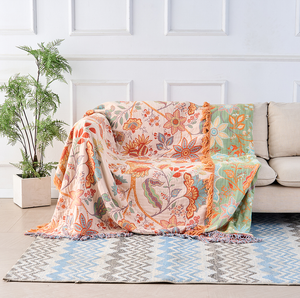
This is one reason sofa covers can work so well in a Japandi-inspired room. Changing the outer surface of the sofa is often enough to shift the entire mood of the space, especially if the existing fabric feels too dark or too visually busy. A textured, neutral sofa cover from Casa & Beyond can help create the softer, more grounded base that Japandi interiors rely on, without needing to replace the furniture itself.
Cut visual clutter without making the room feel bare
Decluttering matters, but Japandi is not about creating emptiness. It is about reducing the kind of clutter that distracts from the room’s structure. Open shelving, coffee tables, and console surfaces should feel considered rather than filled.
A simple way to approach this is to keep only what contributes to the room’s overall feel. Storage baskets, trays, and natural containers can also help, especially in homes where “perfect minimalism” is not realistic.
Layer texture instead of adding colour
Many people try to make a room feel more designed by adding more colours. Japandi usually goes the opposite way. It keeps the palette controlled and introduces depth through texture instead.
That might mean:
- A woven rug under a simple coffee table
- Linen or boucle cushion covers on a softer sofa
- A table lamp or vase against warmer wood tones
- A throw that adds softness without introducing visual noise
Neutral coloured throws and cushion covers fit naturally into this kind of room because they can add tactility without disrupting the palette.

Noya Rattan Table Lamp Home Decor
Naturally Elegant Lighting Charm The Noya Rattan Table Lamp brings the beauty of nature indoors with its artisanal weave and timeless design. Perfe...

Soft Stripe and Tassel Quilt Set | 3pcs
Transform Your Bedroom with Timeless Elegance Experience the perfect blend of style and comfort with the Soft Stripe and Tassel Quilt Set. Featurin...

Velura Arch Plush Blanket
A Modern Classic for Relaxed Living Elevate your home styling with the Velura Arch Plush Blanket. Crafted from a soft microfibre blend, this ult...
Common Japandi Mistakes to Avoid
The most common mistake is making the room too minimal. Removing clutter is useful, but taking away too much warmth, softness, or texture leaves the space feeling flat. Japandi should feel calm, not empty.
Another common issue is relying on uniform surfaces. If everything is beige, smooth, and similar in finish, the room can quickly become lifeless. Texture is what stops a restrained palette from looking dull.
It is also easy to lean too hard into one half of the style. Too much Scandinavian influence can make the room feel pale and overly casual. Too much Japanese influence can make it feel severe. The strongest Japandi rooms hold both in balance.
Final Thoughts
Japandi interior design works because it offers something many homes need more of: clarity, warmth, and a sense of calm that still feels livable. It is not about removing personality or chasing minimalism for its own sake. It is about creating a room where every choice feels quieter, more intentional, and more connected to the space around it.
For most homes, that starts with the foundations. Better textures, a softer sofa surface, a more controlled palette, warmer lighting, and less visual clutter will do more than adding more décor ever could. Once those pieces are working together, the room starts to feel naturally balanced, which is exactly what Japandi is supposed to achieve.


