
What Is a Coverlet? Everything You Need to Know
A coverlet is one of those bedding pieces that can make a bed look instantly more finished, yet many people are not completely sure what it is or how to use it. It is lighter than many quilts and more decorative than a basic blanket, making it a simple way to add texture, colour, and another layer to your bed.
So, what exactly is a coverlet? In simple terms, it is a versatile piece of bedding that can be used in different ways depending on the season and the look you want. In this guide, we’ll cover when to use one, how it differs from a quilt, whether you can sleep under it, and how to choose the right coverlet for your bedroom.
What Is a Coverlet?
A coverlet is a lightweight bed cover that is usually used as the top layer of a bed. It is often thinner than a quilt or comforter and is designed to add a neat, decorative finish without making the bed feel too heavy.
Beyond its decorative appeal, it can add colour, texture, pattern, or softness to the room while giving you an extra layer when you want a little more warmth. Because it is usually lighter than thicker bedding, it is also easy to fold, layer, and style.
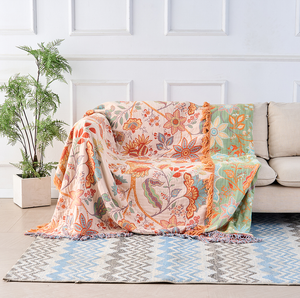
Coverlets come in different designs and can be used to create different looks depending on how you style the bed. A patterned or textured option can become a feature, while a simple design can complement existing bedding without overpowering the room.
The main appeal is its versatility. A coverlet can make a bedroom look more polished without feeling too formal, while giving you a practical extra layer that can be used throughout the year.

When Should You Use a Coverlet?
Coverlets are useful when you want your bed to feel more complete without adding too much weight. They work especially well when you want a layered, comfortable look without the heaviness of a thick quilt or blanket.
They can be used in several ways depending on the season and the look you want:
-
As a summer layer: Use one over your sheets when you want a little extra comfort without making the bed feel too warm. In mild weather, it may be all you need.
-
As a winter layer: Place it over your bedding, quilt, or blanket when temperatures drop. It adds a little extra warmth and texture without the bulk of heavier bedding.
-
For styling: A textured or patterned design can add interest to plain bedding, while a simple coverlet can balance a more decorative setup and create a calmer look.
The versatility is what makes coverlets so useful. You can change how you use them throughout the year without needing to completely change your bedding setup.
The Difference Between a Coverlet and a Quilt
The main difference between a coverlet and a quilt is their weight, construction, and warmth. Quilts are made from multiple layers of fabric, often with filling between them, which gives them a thicker, warmer feel. Coverlets are generally thinner and lighter, making them more suited to adding a decorative layer without making the bed feel too heavy.
That difference also affects how they are used. Quilts are typically chosen as a main bed covering when warmth is important, particularly during cooler weather. Coverlets offer more flexibility and can be used as a lighter top layer, folded across the bottom of the bed, or placed over other bedding to add texture and colour.
For most people, the choice comes down to what they want from their bedding. A quilt is better suited to warmth and cosiness, while a coverlet works well when you want something lighter that is easy to style and use throughout the year. They can also be used together, with the quilt providing warmth and the coverlet adding a finished look.
How to Choose the Right Coverlet for Your Bedroom
Looks alone can be misleading when shopping for a coverlet. It might catch your eye online, but once it's on the bed, the size doesn't quite drape right, the fabric feels too heavy for the room, or the pattern clashes with everything else you own.
A few practical checks before you buy make the difference between a coverlet that actually works for your bedroom and one that just sits there looking slightly off.
-
Match it to your bed size. A coverlet that's too small won't drape properly over the sides, while one that's too large can bunch and look untidy. Check the coverlet's dimensions against your mattress size rather than assuming it will fit any standard bedding size.
-
Consider the fabric weight. Lighter cotton or linen coverlets suit warmer climates and year-round use, while quilted or textured coverlets add a bit more warmth if you want it to double as a light winter layer.
-
Think about colour and texture first, pattern second. A coverlet is often the most visible layer on a made bed, so it has the biggest impact on the room's look. Neutral tones are easiest to build around and swap seasonally, while a bolder pattern works best when the rest of the bedding is kept simple.
-
Check how it's cared for. Some coverlets are machine washable, while more textured or quilted designs may need gentler care, worth checking before you buy.
How to Wash and Care for a Coverlet Properly
Most coverlets are low-maintenance compared to quilts, but the right care depends on the fabric and construction. Cotton and linen coverlets are usually machine washable on a gentle cycle, making them easy to keep fresh without much effort. Quilted or textured coverlets may need a gentler cycle or occasional spot cleaning to keep the stitching and texture intact over time.
Always check the care label before washing, especially with decorative or textured designs, since some can shrink, fray, or lose shape if washed too aggressively. Air drying or a low tumble dry setting is generally the safer option for keeping the fabric and any detailing looking newer for longer, and it also helps avoid the shrinkage that high heat can cause over repeated washes.

Final Thoughts
A coverlet earns its place on a bed by doing more with less. It skips the bulk of a full quilt or comforter without skipping the finished, put-together look, whether it's worn on its own through warmer months, layered over a quilt when it turns cold, or used purely as a styling piece to tie the room together. Few pieces of bedding and bedroom essentials offer that much flexibility for so little effort.
Once you know how a coverlet differs from a quilt, and what to check for in size, fabric, and care, choosing one stops being guesswork. It becomes a straightforward decision based on how you actually sleep, style, and live in the room. That's what turns a coverlet from a nice-to-have into a small addition that makes a genuinely bigger difference to how a bed looks and feels.


